
RFQ Checklist
- Payload and duty cycle by axis
- Acceleration/deceleration profile
- Target gearbox life and maintenance expectation
- Mounting interface and envelope limits
Heavy-load rotary actuator module based on cycloidal reduction for industrial robot base/waist/shoulder axes with strong overload tolerance.
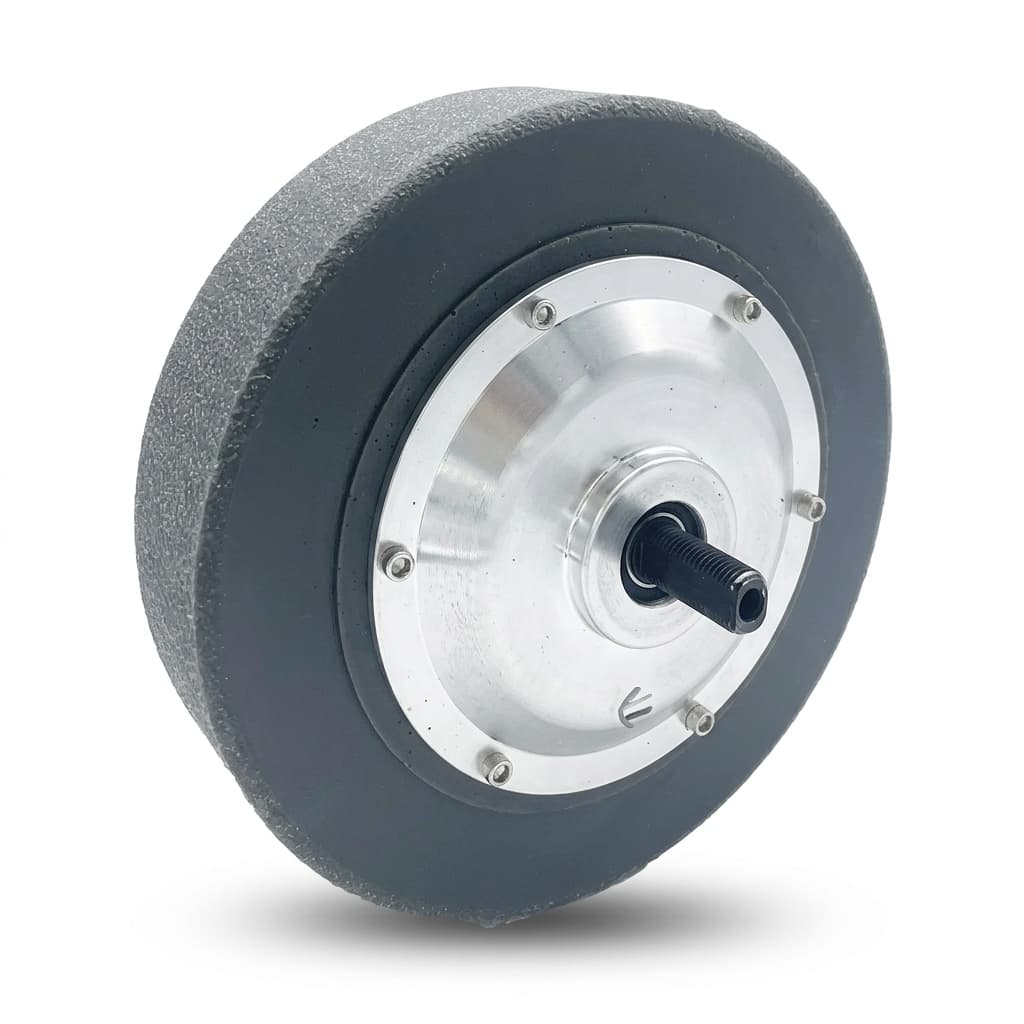
| Metric | Typical Range | Why It Matters |
|---|---|---|
| Peak Torque Capacity | 50-350 Nm class | Defines resilience during start-stop peaks and collision-avoidance transients. |
| Torsional Stiffness | Application-tuned | Higher stiffness improves end-effector stability on long arms. |
Use this baseline for first-pass engineering comparison before requesting model-specific files.
| Field | Baseline Value | Interpretation Note |
|---|---|---|
| Supply Voltage | 24-48V DC | Aligned with heavy-load drive and protection requirements. |
| Continuous / Peak Torque | High-load cycloidal class | Sized with transient overload and shock margins. |
| Max Speed (No-load reference) | Application-specific | Depends on reducer ratio and payload inertia. |
| Mechanical Interface | Custom shaft/flange options | Confirmed through DFM and sample interface validation. |
| Communication | EtherCAT / CAN options | Topology constraints reviewed before BOM freeze. |
Detailed torque-speed envelopes and dynamic response evidence are provided in model-level engineering packages. Interpretation is tied to duty cycle, thermal constraints, and interface assumptions.
Request model-level STEP files and datasheets through the engineering resource workflow to ensure revision consistency.
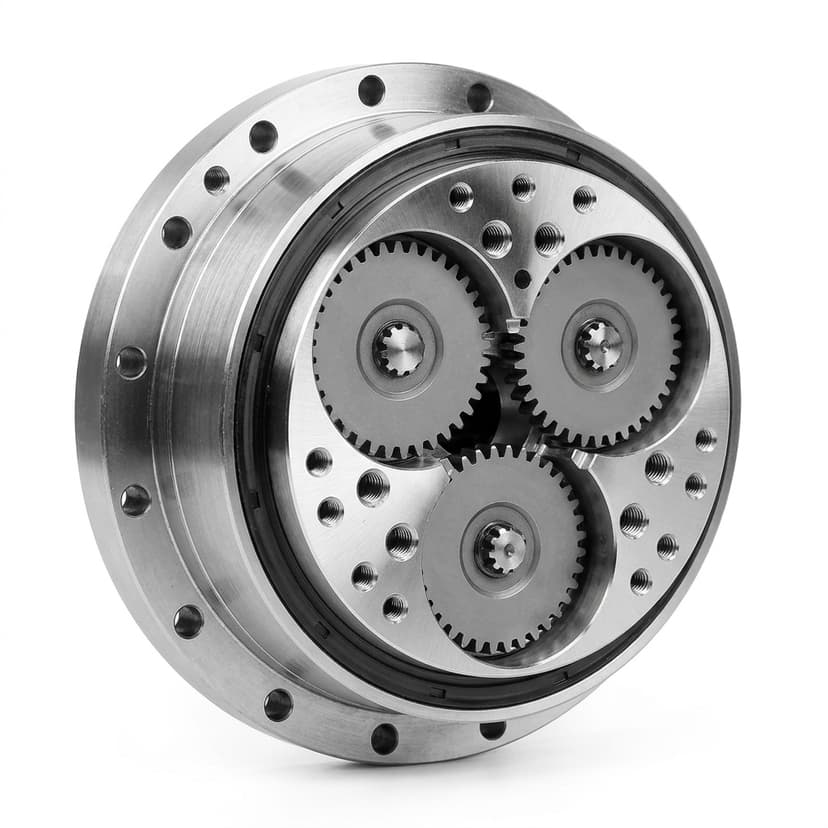
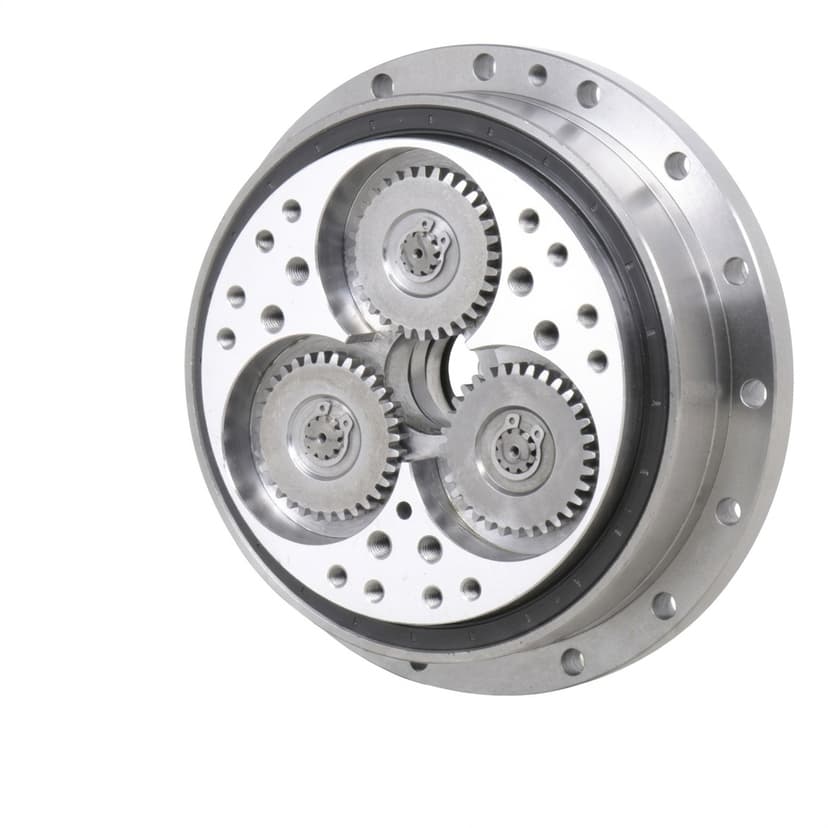
Yes. OEM shaft/flange customization is supported with DFM review and sample validation.
Yes. We support forecast-based planning for repeat orders and production continuity.
Engineering RFQ Email
Include torque-speed targets, annual volume, and timeline.
Lead Robotics Engineer
+86 18857971991
Direct technical conversation with our lead robotics engineer.