RFQ Preparation Checklist
- Axis-by-axis torque-speed target table
- Weight and envelope constraints per joint
- Protocol topology and synchronization requirement
- Validation plan for gait and manipulation modes
Joint actuation architecture guidance for humanoid upper/lower body modules with focus on torque density, precision, and integrated control.
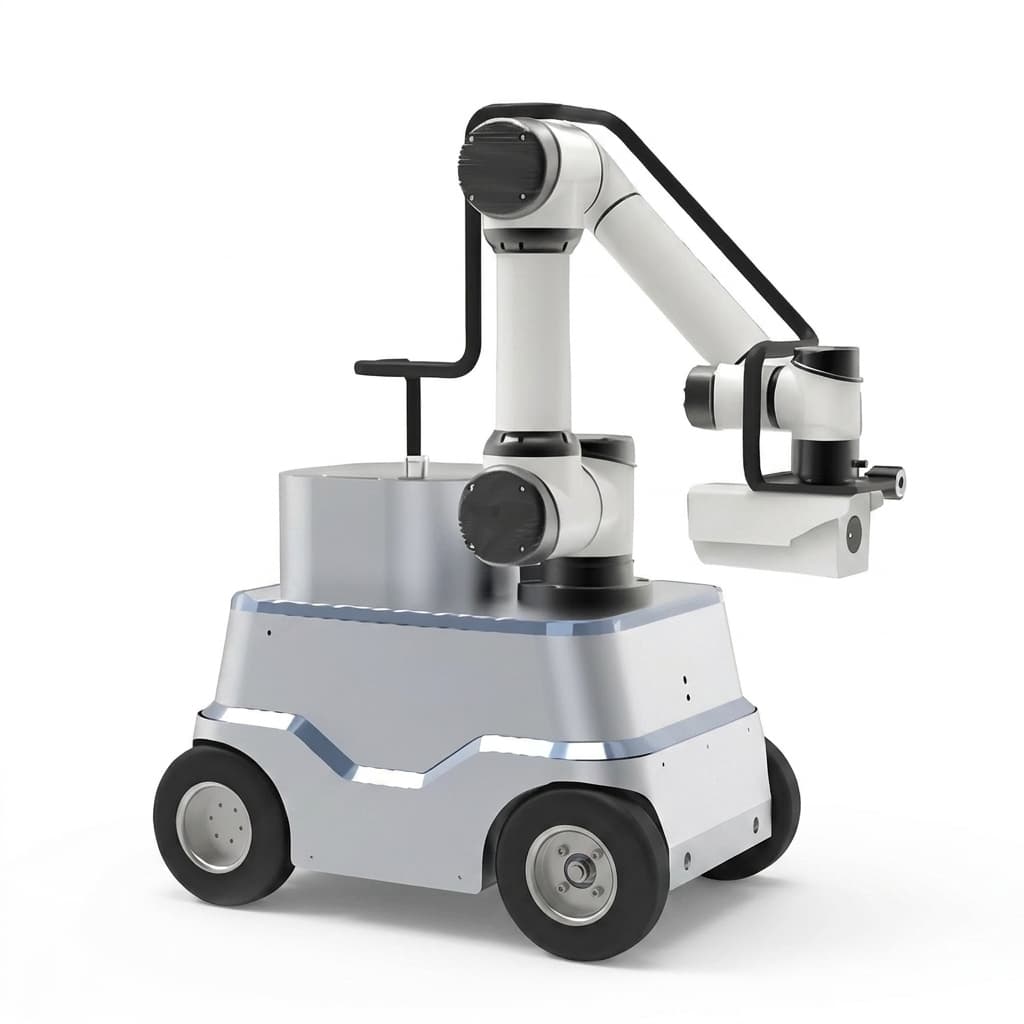
| Evaluation Metric | Typical Range | Buyer Relevance |
|---|---|---|
| Power Density | Joint-class dependent | Directly influences robot mass distribution and dynamic stability. |
| Joint Torque Range | 5–80 Nm (upper body) / 50–200 Nm (lower body) | Sizing mismatch between upper and lower body joints is the most common architecture error. |
| Encoder Resolution | 19-bit to 20-bit absolute | Determines closed-loop control bandwidth for stable walking gaits and manipulation tasks. |
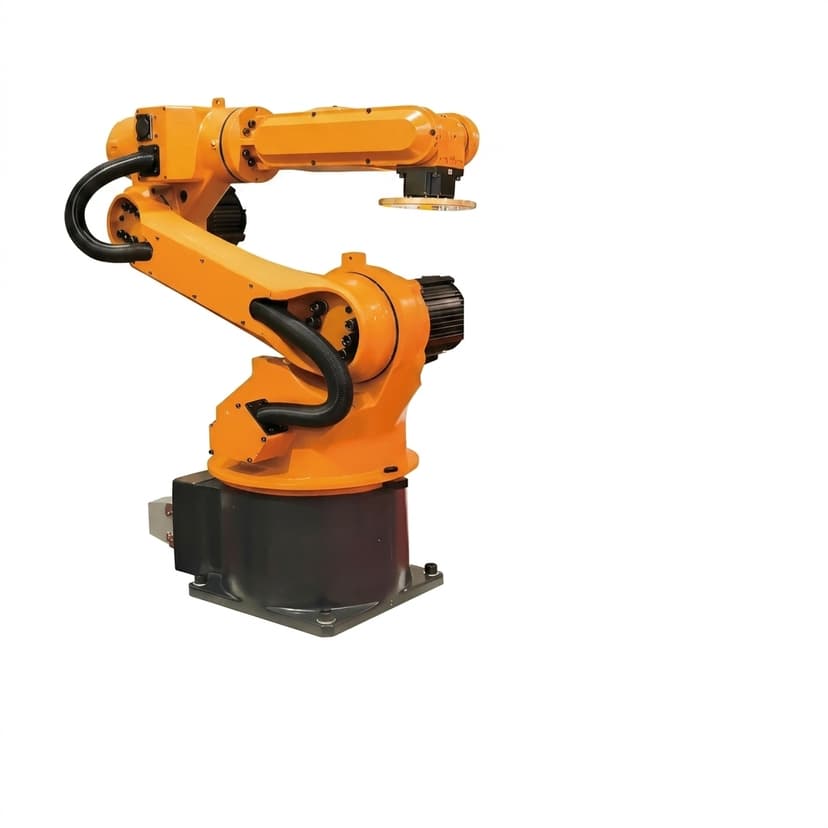
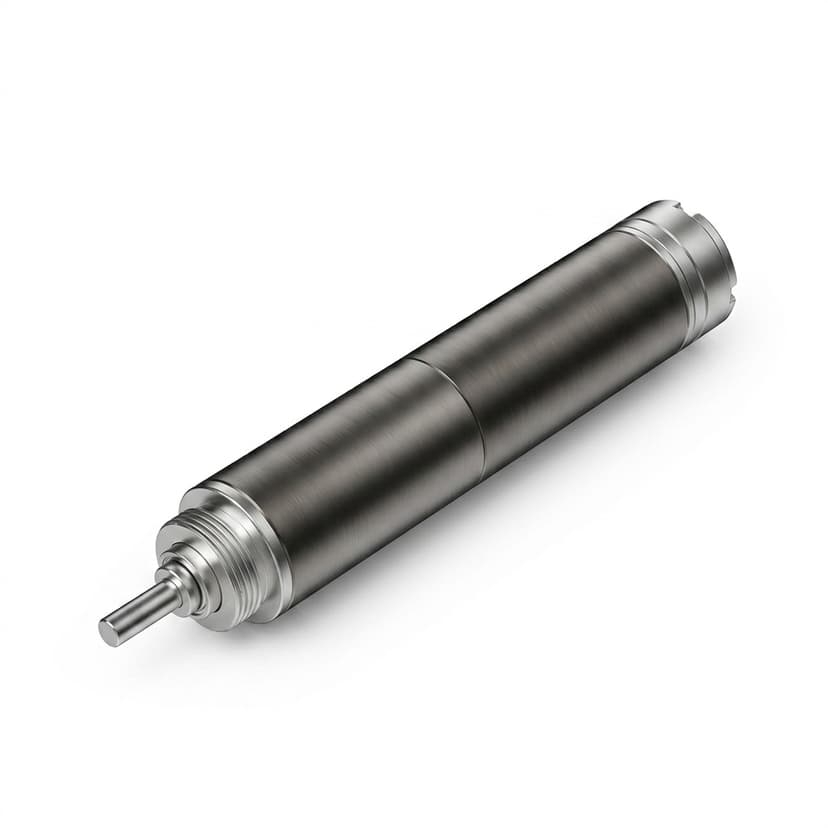
Yes. Mixed harmonic/planetary/cycloidal strategies are supported by axis requirements. We commonly supply harmonic for wrist/elbow and cycloidal for hip/knee within the same humanoid project.
First sample delivery is typically 6-8 weeks after requirement freeze. This includes DFM review, custom winding if required, and initial bench test validation.
Yes. We maintain sizing references for 20 kg, 50 kg, and 70 kg humanoid platforms covering shoulder, elbow, wrist, hip, knee, and ankle joints.
Engineering RFQ Email
Include torque-speed targets, annual volume, and timeline.
Lead Robotics Engineer
+86 18857971991
Direct technical conversation with our lead robotics engineer.