
RFQ Preparation Checklist
- Joint load/time profile by gait mode
- Duty cycle and ambient temperature envelope
- Shock event assumptions and safety factor
- Test protocol for dynamic repeatability
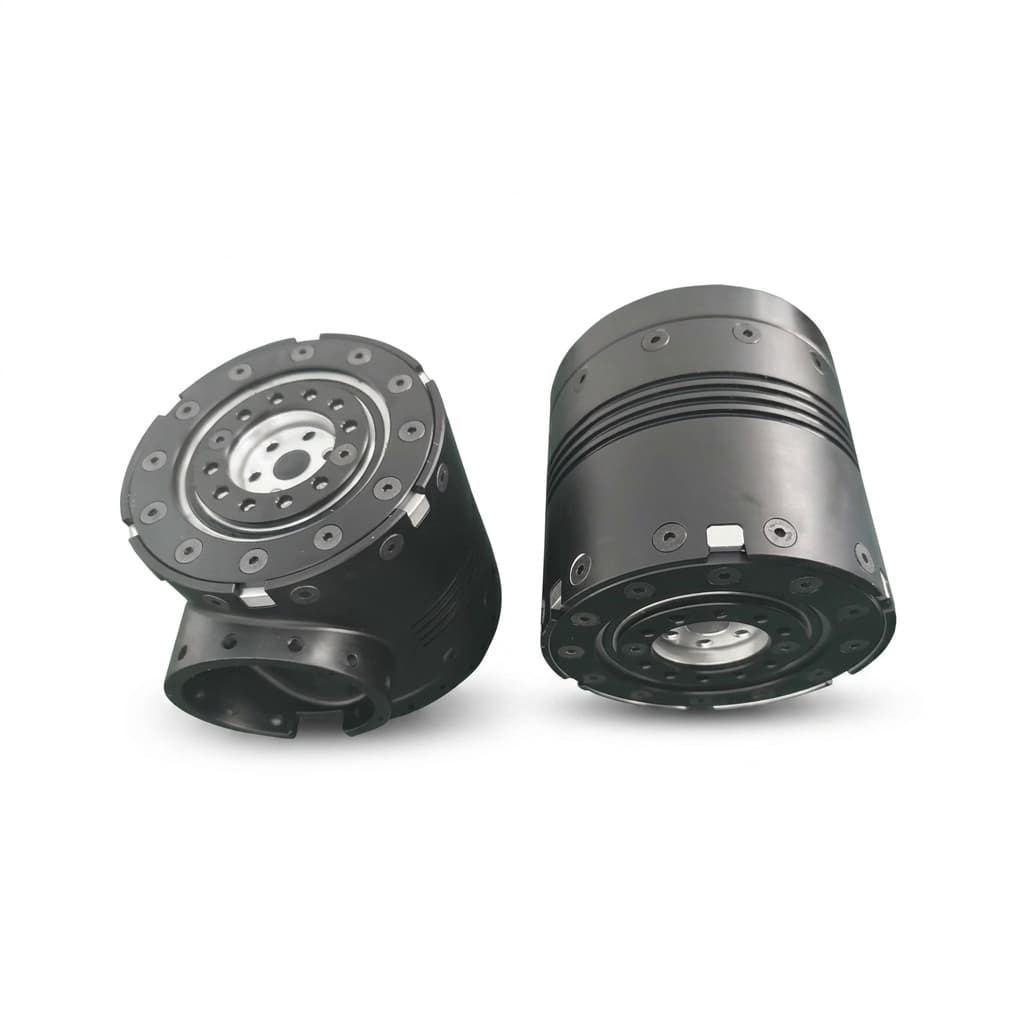
Actuator selection and validation guidance for quadruped leg joints requiring high responsiveness, impact resistance, and thermal stability.
| Evaluation Metric | Typical Range | Buyer Relevance |
|---|---|---|
| Transient Overload Margin | 2–5x rated torque for <100 ms events | Determines reliability under repeated high-impact leg motion during trot and gallop gaits. |
| Gait Cycle Thermal Rise | ≤40°C above ambient at rated duty | Continuous gait testing exposes thermal accumulation that static bench tests miss. |
| IP Rating | IP54–IP67 depending on terrain exposure | Outdoor quadrupeds require ingress protection against dust, water, and debris. |
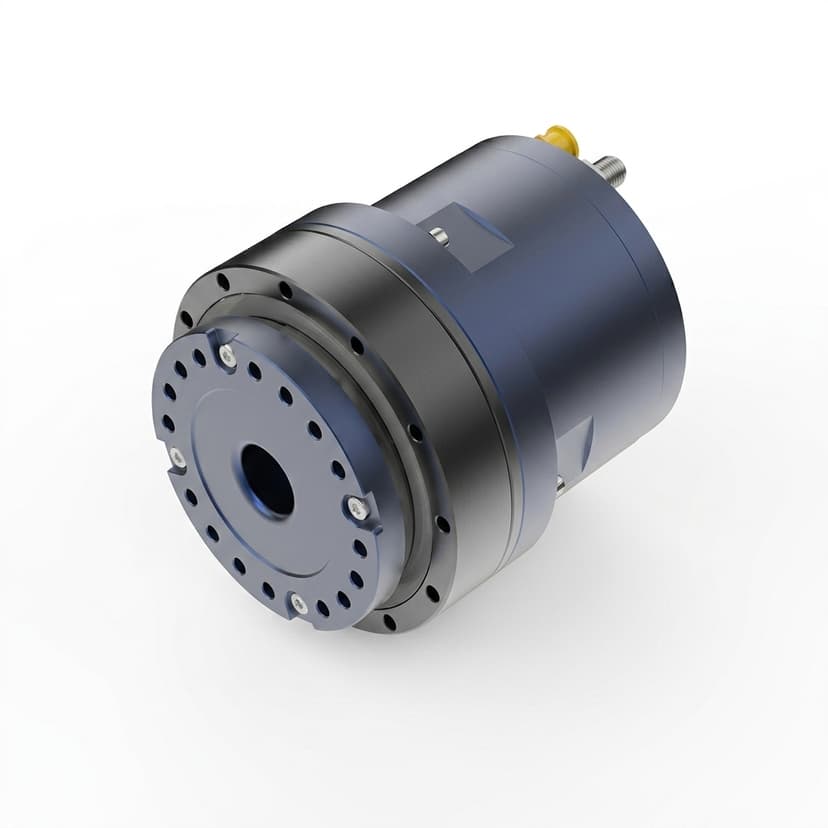
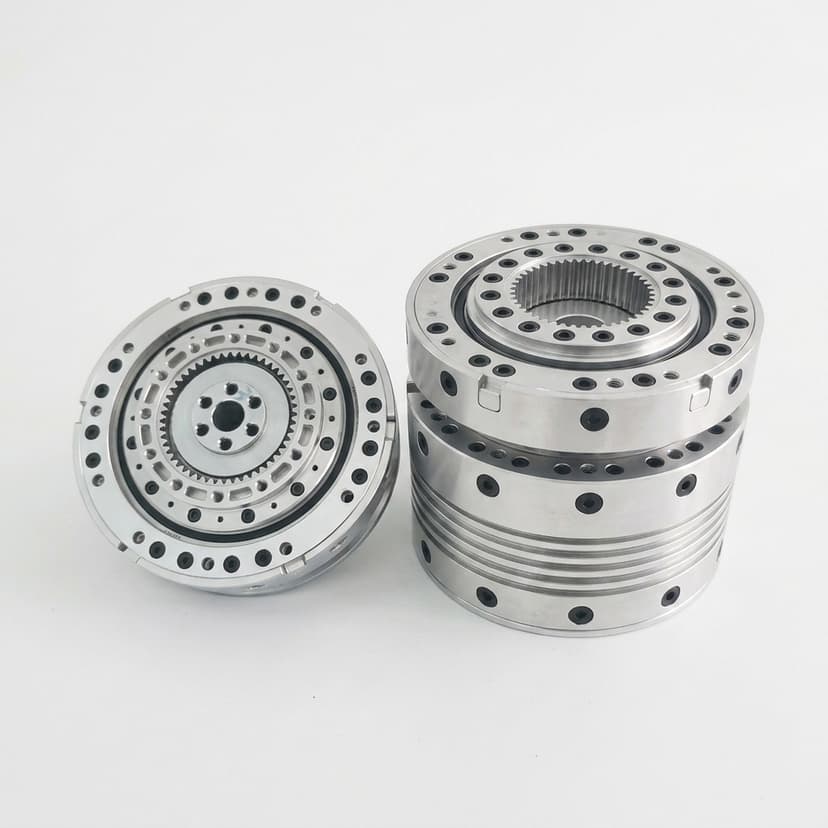
Yes. We suggest actuator classes after reviewing your target gait mode (walk, trot, gallop) and per-joint load profile. Typical quadruped projects use 3–4 actuator sizes across hip, knee, and ankle.
Cycloidal or planetary drives are preferred for leg joints due to higher shock tolerance and backdrivability. Harmonic drives are rarely used in leg applications due to shock sensitivity.
Yes. We can perform repeated impact cycle testing with configurable shock profiles. Standard test covers 100,000+ impact cycles at 3x rated torque.
Engineering RFQ Email
Include torque-speed targets, annual volume, and timeline.
Lead Robotics Engineer
+86 18857971991
Direct technical conversation with our lead robotics engineer.