Do your actuators support Safe Torque Off (STO)?
STO readiness depends on the drive configuration. Our integrated actuators can be configured with hardware-level STO input. Detailed safety function specification is provided during the DFM phase.
Guidance on aligning actuator-level safety intent with customer-side system safety architecture and validation expectations.
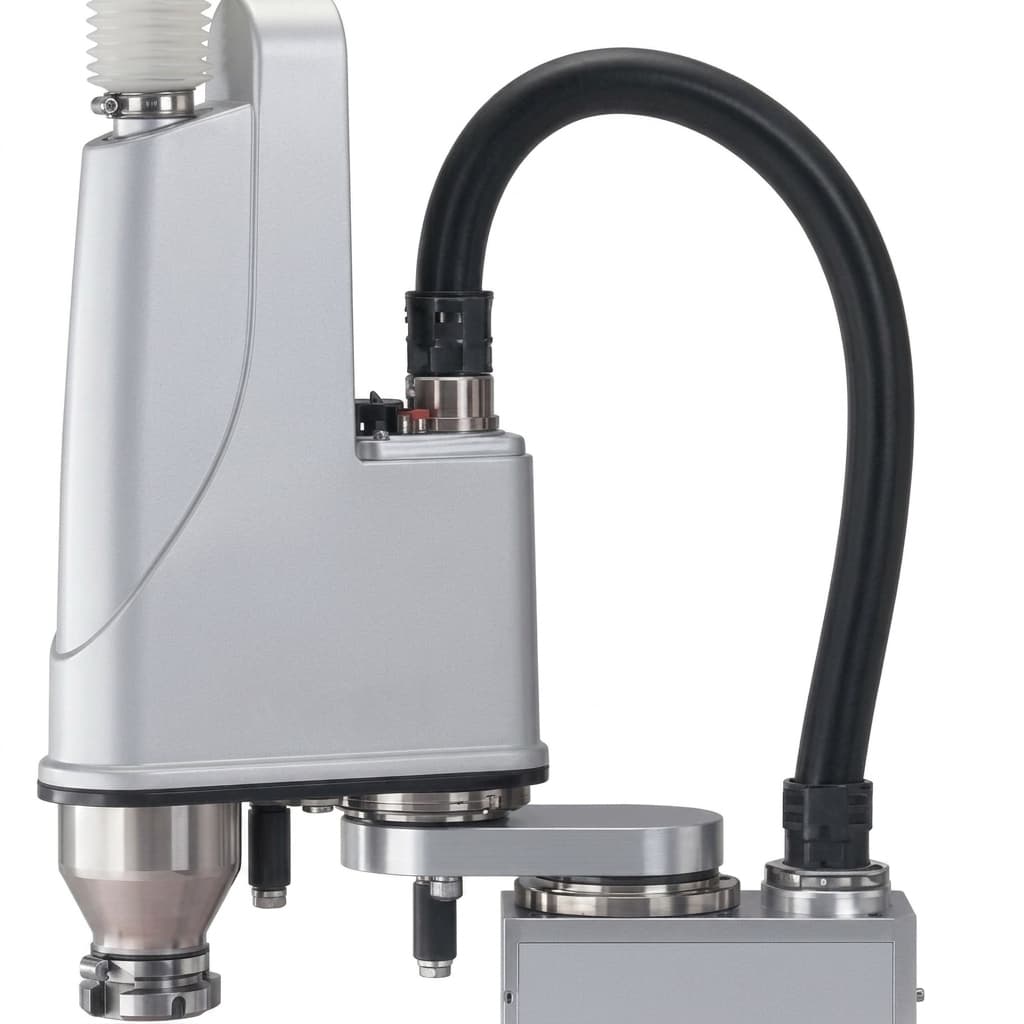
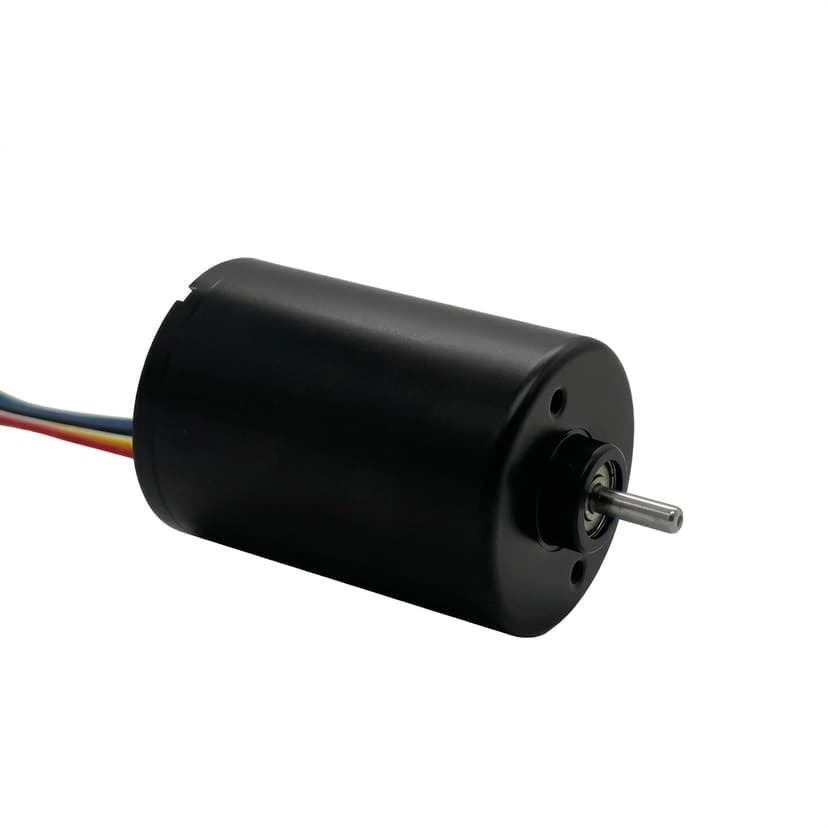
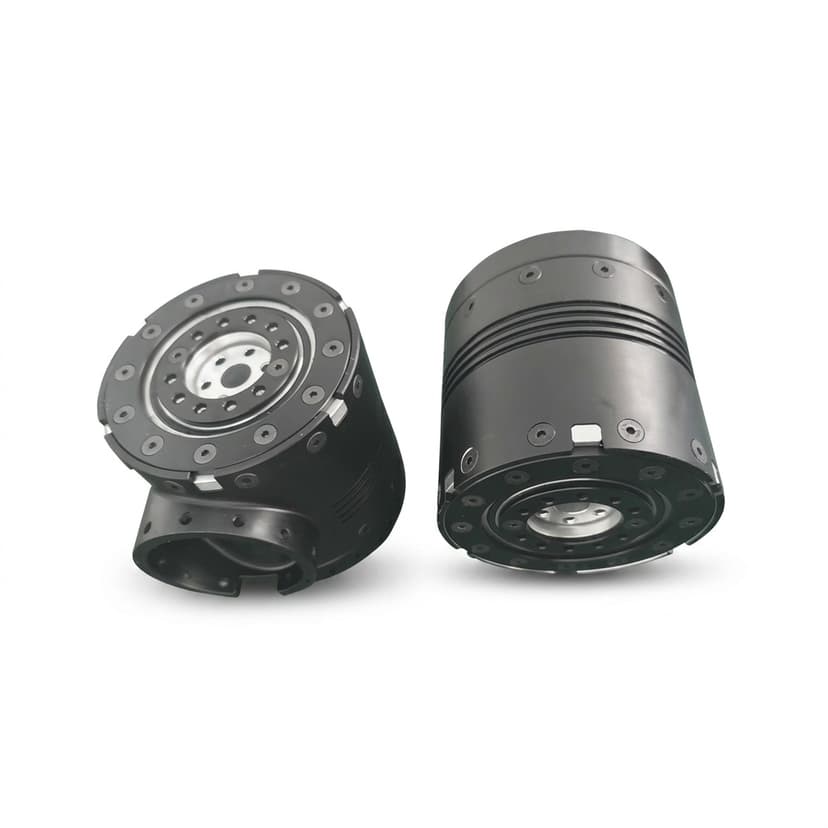
Functional safety readiness starts with early-stage safety intent alignment between the buyer system architecture and actuator-level capabilities. We help define the actuator safety function boundaries (e.g., safe torque off, safe limited speed) and clarify which safety measures are implemented at the actuator vs. system level. During prototype, we provide validation checklists covering control boundary testing, emergency stop response time, and over-torque protection behavior. For mass production, we maintain consistency records that trace safety-related parameters (encoder feedback integrity, current limiting behavior) batch by batch.
STO readiness depends on the drive configuration. Our integrated actuators can be configured with hardware-level STO input. Detailed safety function specification is provided during the DFM phase.
We provide actuator-level FMEA data, safety function boundary definitions, and validation evidence to support your system-level SIL assessment. Full SIL certification is performed at the system level by the integrator.
Safety-related parameters (encoder feedback, current limiting, brake holding torque) are 100% tested in OQC with traceable records. Any out-of-spec unit is quarantined and root-cause analyzed.
Engineering RFQ Email
Include torque-speed targets, annual volume, and timeline.
Lead Robotics Engineer
+86 18857971991
Direct technical conversation with our lead robotics engineer.