
Resources
Application engineering, customization strategy, and integration guidance for robot joint actuators, drivers, and assemblies.
Use this category to review practical procurement and engineering patterns. Each article is written to reduce ambiguity in RFQ, validation, and production release decisions.
Instead of generic theory, these posts focus on what buyers can send, measure, and approve in supplier communication.
In practical sourcing programs, this category is most useful when its article checklists are copied into internal review templates and then reused in supplier calls, sample sign-off notes, and PO release approvals.
These articles are sorted by publish date and are intended to be used as reusable inputs for your engineering and procurement handoffs.
| Article | Primary Use | Next Step |
|---|---|---|
| Strain Wave vs Cycloidal Drives in Robot Joints: Precision vs Robustness | Buyer-side decision and supplier communication alignment. | Convert checklist items into your RFQ or sample plan. |
| Hollow Shaft vs Solid Shaft Robot Joint Actuators: A Procurement and Engineering Guide | Buyer-side decision and supplier communication alignment. | Convert checklist items into your RFQ or sample plan. |
| TCO Analysis for Robot Joint Actuators: Hidden Costs Beyond the BOM | Buyer-side decision and supplier communication alignment. | Convert checklist items into your RFQ or sample plan. |
| Thermal Derating in IP67 Sealed Robot Joint Actuators: What Datasheets Hide (2026) | Buyer-side decision and supplier communication alignment. | Convert checklist items into your RFQ or sample plan. |
| Functional Safety (SIL 3 / PL e) in Robot Joint Actuators: A 2026 Guide | Buyer-side decision and supplier communication alignment. | Convert checklist items into your RFQ or sample plan. |
| Integrated vs. Discrete Robot Joint Actuators: A 2026 TCO and Procurement Guide | Buyer-side decision and supplier communication alignment. | Convert checklist items into your RFQ or sample plan. |
| Robot Joint Actuator Selection Guide for OEM Buyers (2026) | Buyer-side decision and supplier communication alignment. | Convert checklist items into your RFQ or sample plan. |
Need project-specific guidance? Start from Contact / RFQ and include the article links your team is referencing.
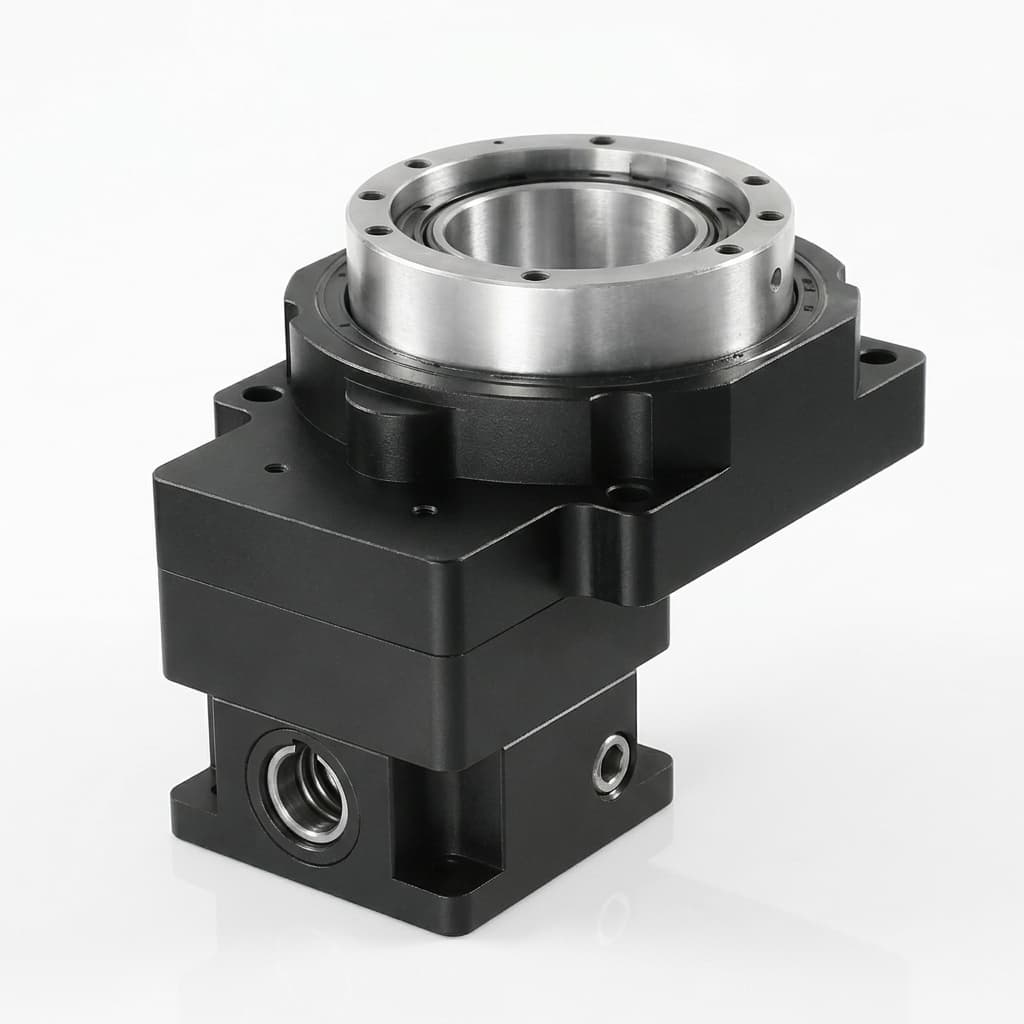
Compare strain wave and cycloidal drives for robot joint actuators by backlash, shock load, torque density, cost, service life, and RFQ fit before sourcing.

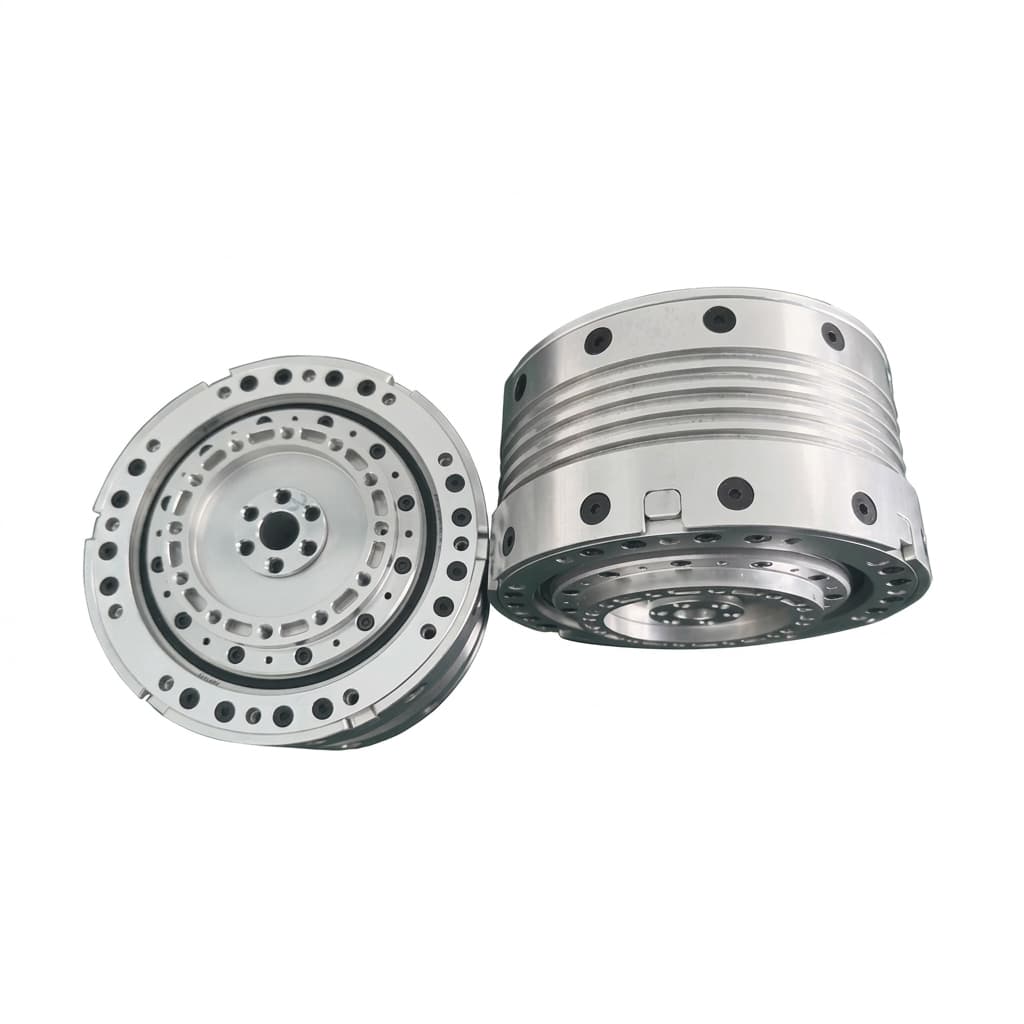
An in-depth analysis of hollow vs. solid shaft robot joint actuators. Learn how internal cable routing impacts torque density, sealing, cost, and procurement strategy.
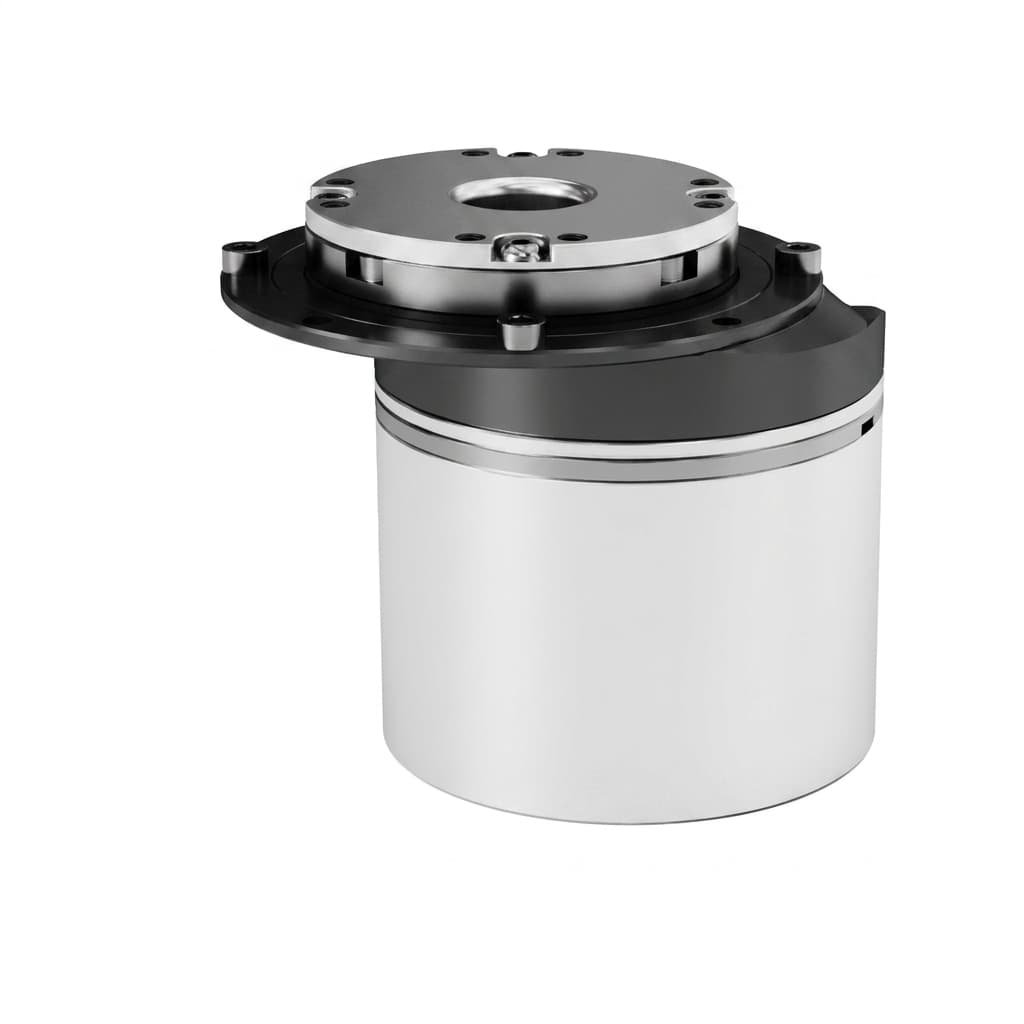
Use this 2026 robot joint actuator TCO guide to price integration, tuning, yield, warranty, downtime, spares, and supplier risk before issuing an RFQ.
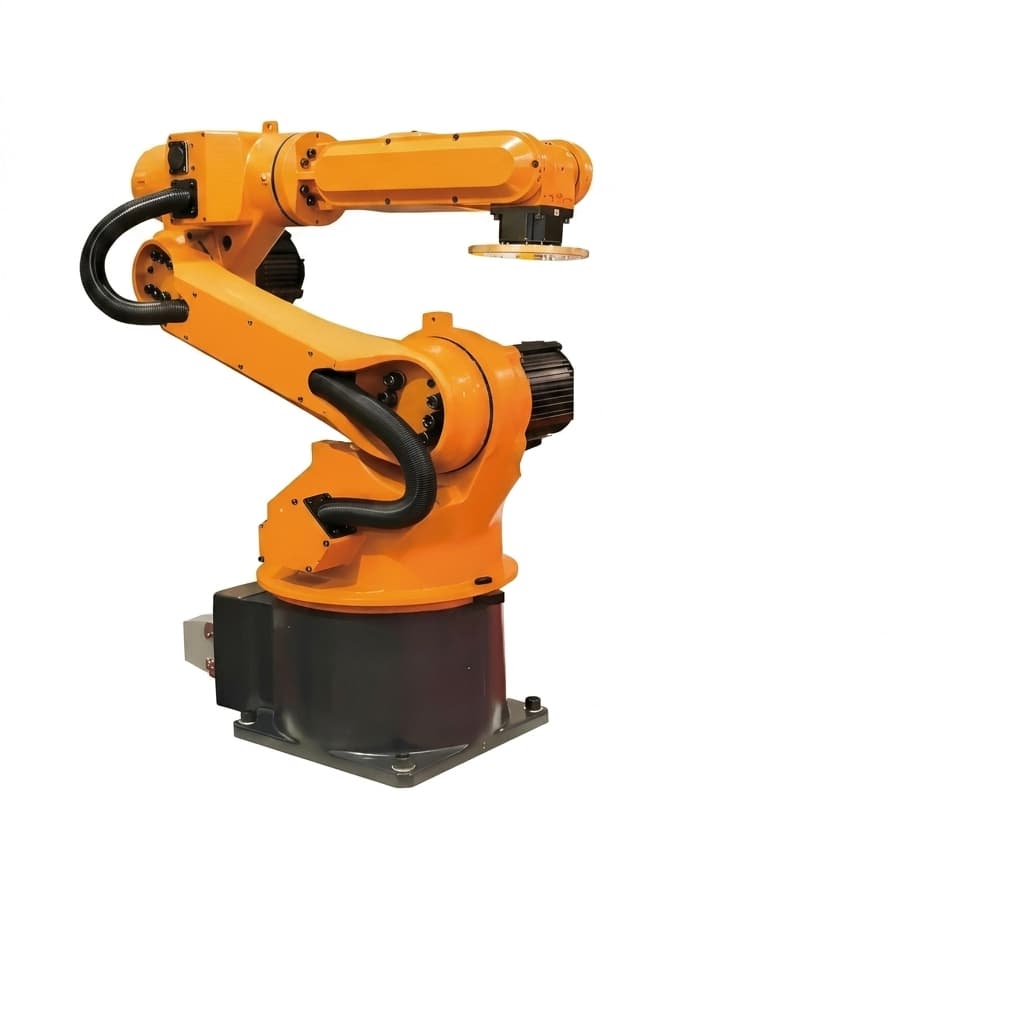
Engineering guide to thermal derating in sealed robot joint actuators: IP67 torque loss, supplier datasheet checks, RFQ questions, and test limits.
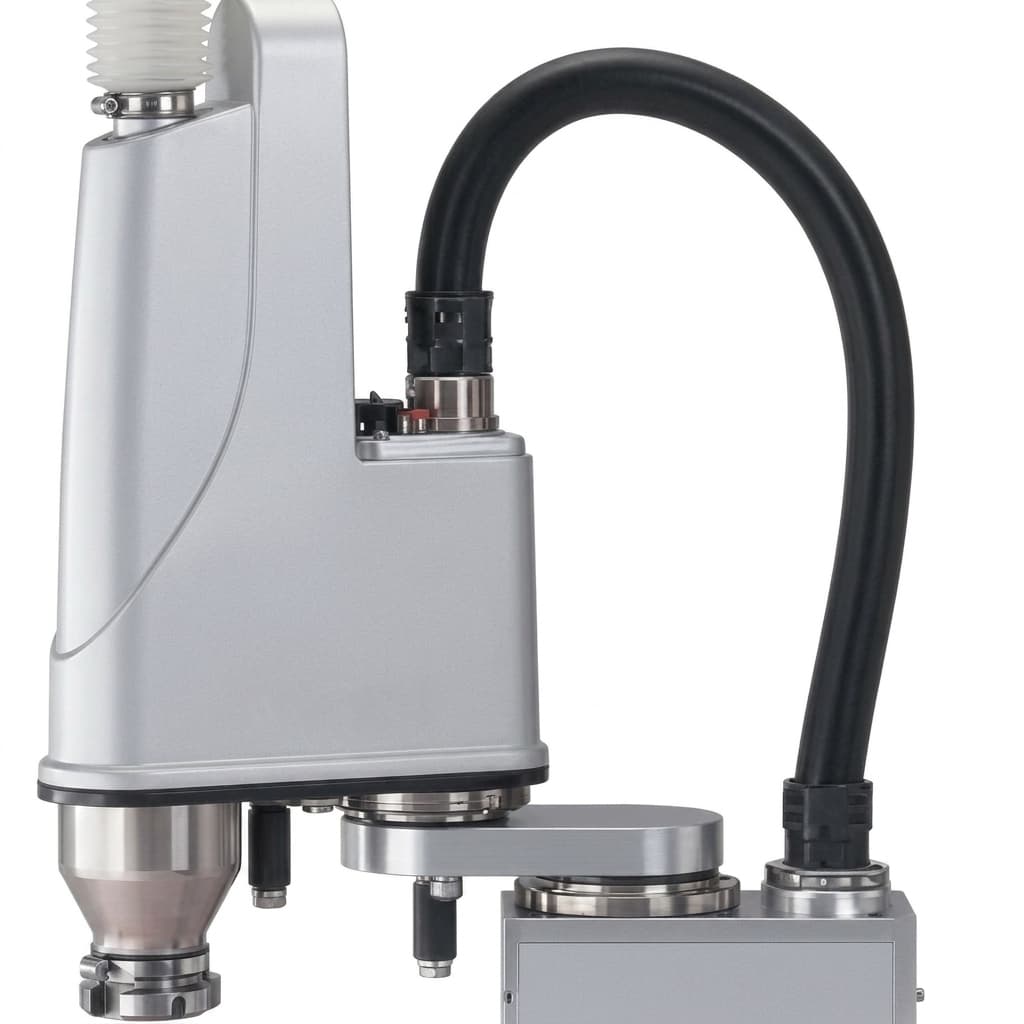
Use this 2026 guide to evaluate SIL 3 / PL e robot joint actuators, STO/FSoE requirements, procurement checks, and RFQ questions for global cobot OEMs.
Compare integrated vs. discrete robot joint actuators for 2026 TCO, BOM, labor, supply risk, MTTR, and RFQ decisions for OEM teams.